
Succeeding by the skin of teeth used to very aptly describe the dental profession. Before advances in technology dentists had to often rely on what a patient reported as ailment, combined with a healthy dose of intuition, experience and skills accumulated during years of studying and practice.
Patients have luckily not been proverbial guinea pigs since x-ray technology enabled dental practitioners to lift the mysterious veil off the solidity of teeth and surrounding tissues and bone structures.
X-rays have for long been a contentious subject. The value of sight further than the naked eye is capable of needs to be weighed against potential risks that increase with excessive exposure to radiation that could lead to cancer, thyroid problems, and even infertility.
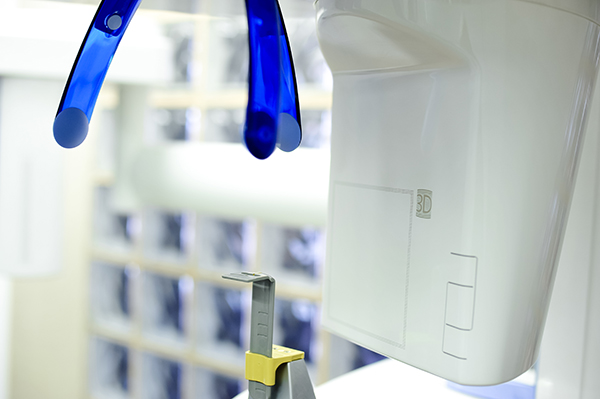
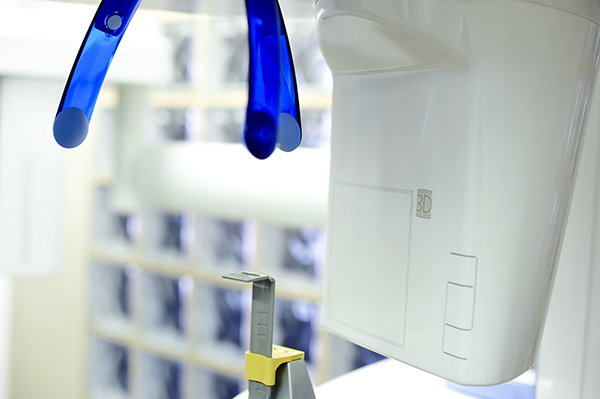
Technology has advanced beyond the first versions of x-ray equipment and now delivers significantly less radiation to patients and operators. Three-dimensional digital x-rays provide images from angles that are impossible to produce with two-dimensional imagery equipment. One of these technologies is called Cone Beam Computed Tomography (CBCT).
In less than a minute, CBCT scans provide clear images of bone, muscle, and blood vessels and are used for implant placement planning, orthodontics planning, and diagnosis and treatment of musculoskeletal disorders and injuries. These scans deliver radiation in doses up to 100 less than traditional CT scans.
Two-dimensional x-rays of teeth, like panoramograms, are limited in their functionality as teeth and surrounding bone structures can only be viewed from limited angles. This might for instance hide an unintended slant in an implant, which could lead to complications ranging from infection to nerve damage. Three-dimensional scans that can inform a dentist from all angles, and show the location of both hard and soft tissues significantly reduces the risk of invasive dental procedures.
As CBCT scanners are very expensive it is not possible for every dental practice to have the technology on site. Dr Ronel Podde regularly provides support services for other dental practices that wish to provide their patients with the very best dental care. The patient will be referred to us for the necessary scans and production of an implant guide which they can then take back to the referring practitioner for completion of the implantation procedure.
This allows patients to benefit from the best of both worlds; the latest advances in digital dentistry as well as treatment by a dental practitioner of their choice.
There are several other digital x-ray options available to dental patients:
Patients have luckily not been proverbial guinea pigs since x-ray technology enabled dental practitioners to lift the mysterious veil off the solidity of teeth and surrounding tissues and bone structures.
X-rays have for long been a contentious subject. The value of sight further than the naked eye is capable of needs to be weighed against potential risks that increase with excessive exposure to radiation that could lead to cancer, thyroid problems, and even infertility.
Technology has advanced beyond the first versions of x-ray equipment and now delivers significantly less radiation to patients and operators. Three-dimensional digital x-rays provide images from angles that are impossible to produce with two-dimensional imagery equipment. One of these technologies is called Cone Beam Computed Tomography (CBCT).
In less than a minute, CBCT scans provide clear images of bone, muscle, and blood vessels and are used for implant placement planning, orthodontics planning, and diagnosis and treatment of musculoskeletal disorders and injuries. These scans deliver radiation in doses up to 100 less than traditional CT scans.
Two-dimensional x-rays of teeth, like panoramograms, are limited in their functionality as teeth and surrounding bone structures can only be viewed from limited angles. This might for instance hide an unintended slant in an implant, which could lead to complications ranging from infection to nerve damage. Three-dimensional scans that can inform a dentist from all angles, and show the location of both hard and soft tissues significantly reduces the risk of invasive dental procedures.
As CBCT scanners are very expensive it is not possible for every dental practice to have the technology on site. Dr Ronel Podde regularly provides support services for other dental practices that wish to provide their patients with the very best dental care. The patient will be referred to us for the necessary scans and production of an implant guide which they can then take back to the referring practitioner for completion of the implantation procedure.
This allows patients to benefit from the best of both worlds; the latest advances in digital dentistry as well as treatment by a dental practitioner of their choice.
There are several other digital x-ray options available to dental patients:
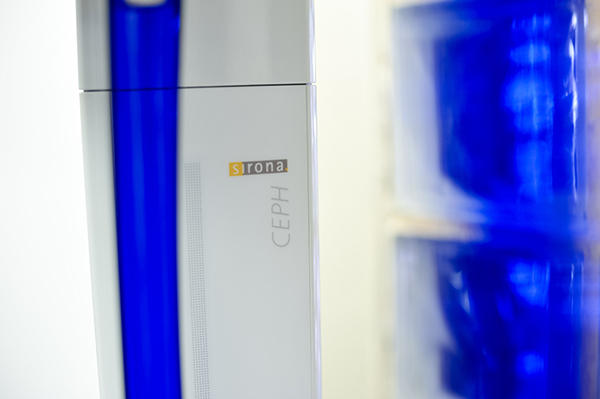
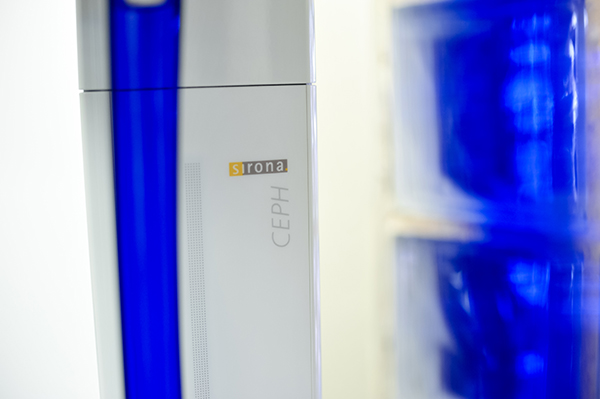
- Cephalometric scans
Ceph x-rays are used to look at the teeth in relation to the jaw and profile, which is often used to determine the best type of orthodontic treatment. - Intra-oral x-rays
Intra-oral x-rays are often helpful in determining the cause of pain in a specific tooth because it allows dentists to visualise the tooth as well as the surrounding bone. - Hand and wrist x-rays
Each patient follows a unique growth cycle that impacts the type and duration of dental treatment necessary. Hand and wrist x-rays enable dentists to plan the best treatment for each individual patient.

 RSS Feed